First-time horse buyer’s guide to costs in Australia
Published 2026-07-28
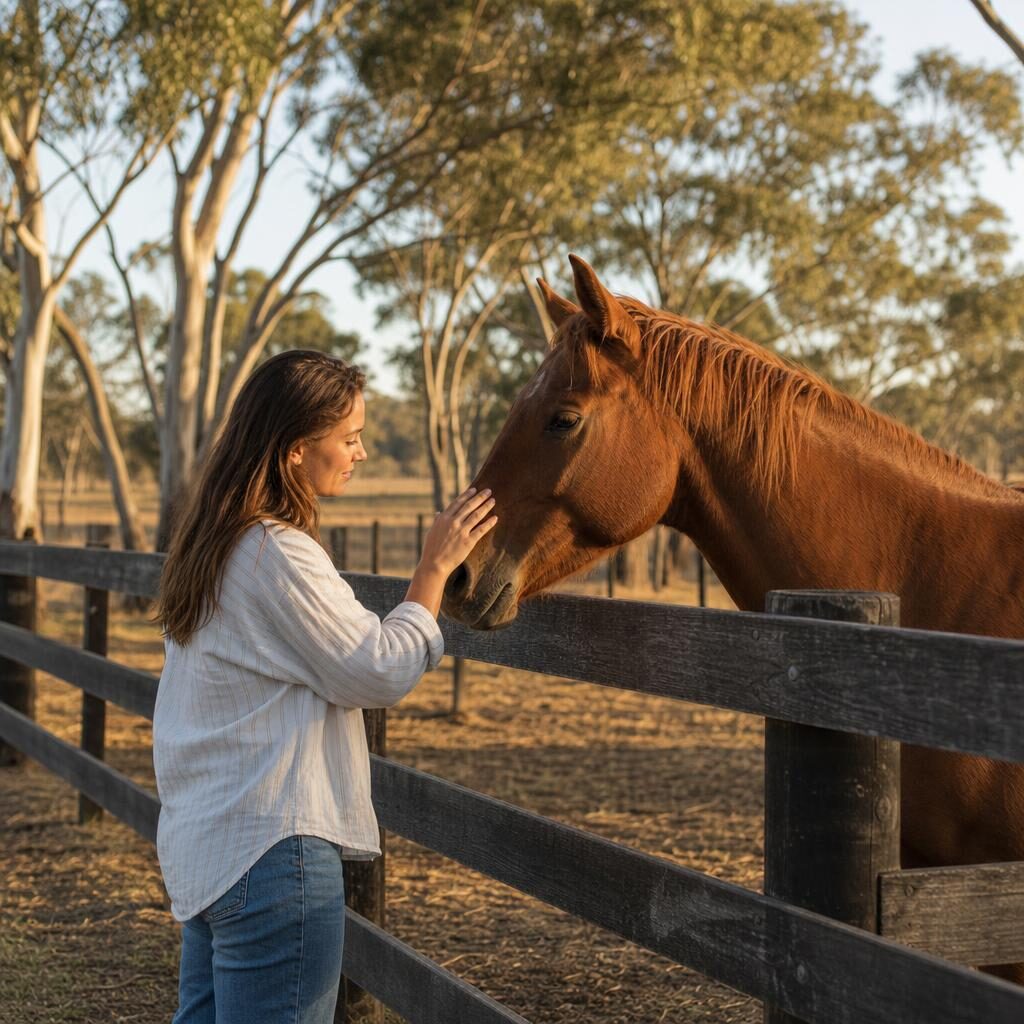
Buying your first horse is exciting, but the sale price is only the starting point. A realistic budget for agistment, feed, farriery, veterinary care and gear will help you choose a horse you can keep comfortably, not just buy on the day.
Costs vary widely between NSW, VIC, QLD and regional areas, and between a pony living on good pasture and a competition horse in full work. Use the figures below as planning prompts rather than fixed prices, then ring local providers for current quotes.
Start with a sensible purchase budget
Set a maximum purchase price, but do not spend every dollar on the horse itself. First-time owners are usually best served by a safe, suitably trained horse with an honest history, even if that means buying an older horse, a smaller horse, or one with less competition potential than they first imagined.
Leave a separate amount aside for the costs that happen before and immediately after purchase. This protects you from having to skip a vet check, delay farrier work or buy poor-fitting gear because your budget has run out.
When comparing advertisements, ask what is included. Some sellers may include a rug, bridle or saddle, while others are selling the horse only. Included gear can be useful, but it should not be treated as a substitute for having equipment checked for fit and safety.
A cheaper horse is not always the lower-cost choice. A horse needing rehabilitation, intensive feeding, ongoing treatment, specialist shoeing or extensive training may cost more over time than a sound, educated horse with a higher sale price.
Allow for pre-purchase and move-in costs
Before money changes hands, organise a pre-purchase examination (PPE) with an independent veterinarian. The scope can range from a basic clinical examination to a more detailed assessment with flexion tests, imaging, blood tests or other investigations. The final bill depends on the level of examination and any follow-up work, so discuss your intended use, budget and concerns with the vet beforehand.
Other early costs commonly include:
- A deposit, if you agree to secure the horse before collection. Get the terms in writing, including whether it is refundable if the PPE identifies an issue.
- Transport, whether you hire a professional carrier, borrow a float or tow the horse yourself. Longer distances, ferry arrangements and urgent bookings can add up.
- A brand inspection or transfer paperwork where required. Rules differ between states and territories, so check the relevant authority before purchase.
- A basic dental check if there is no recent record, plus overdue worming, vaccinations or farrier work.
- A few days or weeks of overlapping agistment if you need to hold a place before the horse arrives.
If you are new to horse ownership, take an experienced instructor, coach or horsey friend to viewings. They may notice handling, soundness, temperament or suitability issues that are difficult to assess when you have fallen in love with a kind face.
Budget for agistment, feed and daily care
For many owners, agistment is the largest regular cost. The weekly rate may cover only a paddock and water, or it may include feeding, rug changes, holding for the farrier, arena access, stable use and daily checks. Read the agreement carefully rather than assuming services are included.
DIY paddock agistment is often less expensive than full-care agistment, but you need time and reliable transport. You may be responsible for feeding, checking fences, picking out feet, changing rugs, administering medications and bringing the horse in for appointments. Full care costs more, but can be a practical choice for owners with demanding work or family schedules.
Ask each agistment property:
- What feed, hay or hard feed is included, if any?
- Are rugging, fly masks, holding for services and medication administration extra?
- Is there a safe arena, round yard, wash bay, tack storage and float parking?
- What happens during drought, wet weather, grass shortages, floods or fire danger?
- How are emergencies handled if the manager cannot reach you?
Feed costs can be modest for an easy keeper on quality pasture, or substantial for a horse needing hay, concentrates, supplements or specialised feeds. Pasture conditions change through the year, particularly during dry summers and cold winters, so do not base an annual budget on one good month of grass.
Factor in routine health and hoof care
Every horse needs regular hoof care. Some can remain barefoot with routine trims, while others need shoes for comfort, protection or their workload. Shoeing generally costs more than trimming, and corrective or therapeutic work can cost more again. Your farrier will usually suggest an interval based on hoof growth, season and the horse’s needs.
Routine veterinary costs may include vaccinations, dental care, worm egg counts, parasite treatments and occasional minor injuries. Vaccination recommendations differ by location, travel plans and disease risk, so ask your vet what is appropriate for your horse. Keep a simple health record with dates, products used, dental work, farrier visits and any injuries.
It is also wise to budget for lessons or professional riding help. A suitable horse still needs consistent, correct riding, and first-time owners benefit from regular support. Lessons can reduce the chance that small behaviour or handling problems become costly safety issues.
Avoid trying to save money by stretching out essential care. Delayed trims, poor saddle fit, inadequate nutrition and ignored lameness can lead to larger bills and a horse that cannot be ridden.
Buy gear in stages, but do not compromise on safety
New owners can easily spend too much on matching rugs and accessories before covering essentials. Start with safe, well-fitting basics, then add items once you understand your horse’s routine and the local climate.
Your early shopping list may include:
- An approved riding helmet, suitable boots and comfortable riding clothes.
- A correctly fitted saddle, saddle pad, girth, bridle and reins. A qualified saddle fitter is worth considering, especially if the saddle is second-hand.
- A well-fitting halter, lead rope, grooming kit, hoof pick and basic first-aid supplies.
- Rugs suited to your horse, climate and management. Not every horse needs multiple rugs, and overheating can be as problematic as being cold.
- Feed bins, hay nets or slow feeders if permitted at your agistment property.
- Float access, either through ownership, hire, borrowing arrangements or a transporter’s contact details.
Second-hand gear can save money, but inspect stitching, buckles, tree soundness, rust, cracks and fit. Never buy a used helmet with an unknown history, and replace any helmet after a significant impact.
Build an emergency buffer and review the plan
Horses are excellent at finding unexpected ways to injure themselves, damage rugs or need urgent attention outside business hours. Keep an emergency fund separate from your ordinary agistment and feed money. The amount will depend on your circumstances, but it should be enough to make an informed decision if a vet needs to attend promptly.
Insurance may help with major veterinary expenses, mortality, public liability or float cover, depending on the policy. Compare exclusions, excesses, waiting periods, limits and definitions carefully. Insurance is not a replacement for savings, as you may still need to pay an excess, meet exclusions or cover treatment beyond the policy limit.
Before committing, write down your likely monthly costs and convert irregular bills into a monthly allowance. For example, set aside a portion each month for farrier visits, annual vaccinations, dentistry, rugs and emergency care. Then add a buffer for seasonal feed changes and travel to lessons or events.
If the total feels tight, consider leasing, part-leasing, riding school lessons or helping at an agistment property first. There is no shame in waiting until the numbers are comfortable; it is one of the kindest decisions you can make for yourself and the horse.
A well-planned budget gives you more confidence to enjoy your first horse and respond calmly when normal expenses arise. When you are ready to compare suitable horses, browse horses for sale on Hooflist.