How to find the right horse for you
Published 2026-07-21
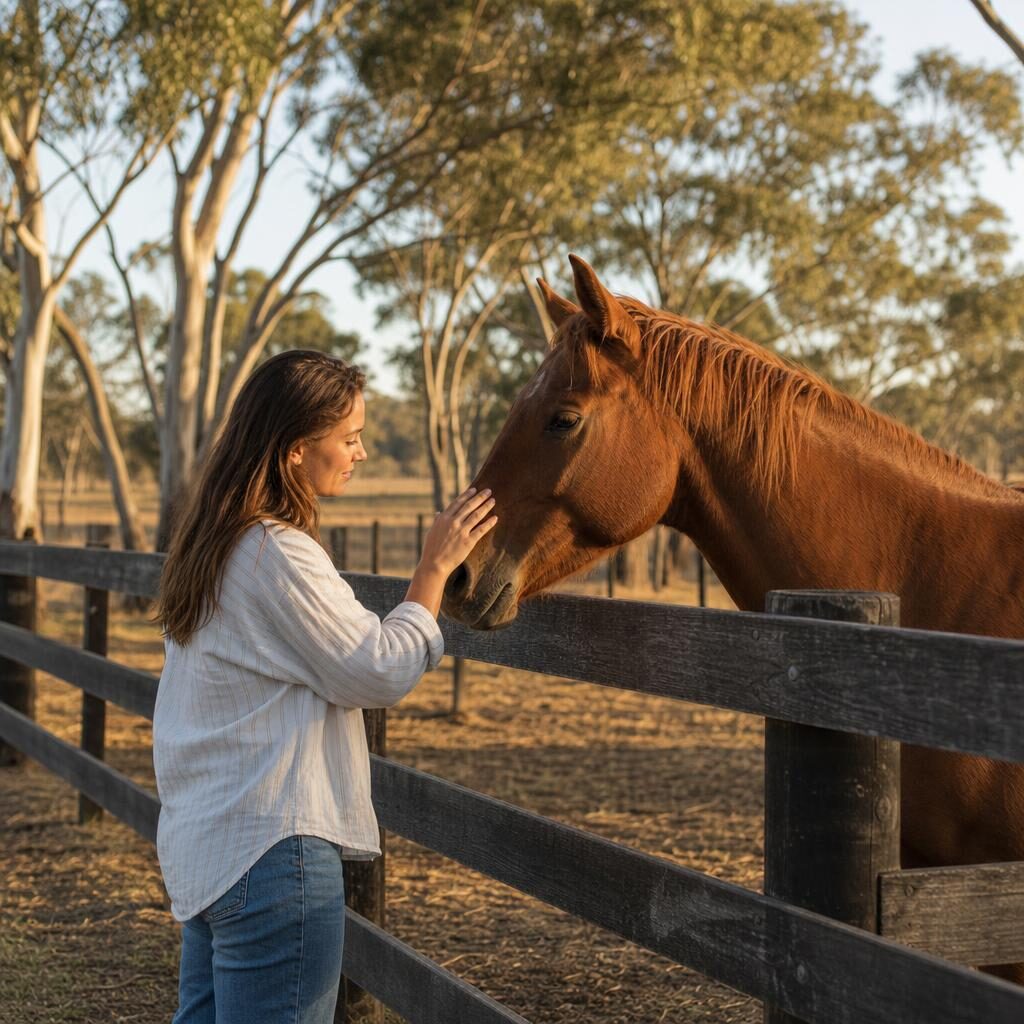
Buying a horse is exciting, but the best match is rarely the flashiest photo or the most impressive movement. The right horse is one that suits your experience, aims, budget and day-to-day setup, and that you can enjoy safely well after the first few weeks.
Start with an honest rider and lifestyle check
Before looking at ads, write down what you genuinely need rather than what sounds ideal. A horse can be talented, beautifully bred and competitively successful, yet still be the wrong fit if it is beyond your confidence, needs more training time than you have, or does not suit your facilities.
Consider:
- Your current riding level, including how you cope with a horse that is fresh, green, spooky or strong
- Your main goal: trail riding, adult riding club, pony club, showing, dressage, eventing, campdrafting, breeding or simply pleasure riding
- How often you will ride and whether you have access to an instructor or experienced support
- Your height, weight and physical confidence, especially when mounting, handling and riding in open spaces
- The type of horse you have enjoyed in the past, and the traits that made those rides work
Be particularly realistic about temperament. A quiet, educated horse that is a little less athletic may take you much further than a talented young horse that makes you nervous. If you are returning to riding after time away, a proven schoolmaster or sensible all-rounder is often a better choice than a project horse.
Set a whole-of-horse budget
The purchase price is only the starting point. Work out what you can comfortably spend on the horse, then leave room for the costs that begin immediately after purchase.
Your ongoing budget may include agistment or feed, farrier work, dentistry, worming, vaccinations, rugs, tack, lessons, insurance and routine veterinary care. You may also need transport, a float hire or truck, arena hire, club memberships and competition fees. Costs vary greatly between states, regions and properties, so ask local horse owners what is typical in your area of NSW, VIC, QLD or elsewhere.
Allow a separate buffer for the unexpected. Lameness, lost shoes, damaged fencing, a saddle that does not fit, or a change in feed can all add up quickly. It is also wise to budget for a pre-purchase examination, commonly called a PPE vet check, before committing to a horse.
A lower-priced horse is not always cheaper to own. An unhandled youngster, a horse with complex soundness needs, or one requiring extensive retraining can become costly in time and professional help. Buy the horse you can afford to keep well, not just the horse you can afford to buy.
Search for suitability, not just looks
Once you know your brief, use it to filter advertisements. Keep your search broad enough to find good options, but do not compromise on your non-negotiables. These might be a safe temperament, a certain height range, confidence around traffic, experience at competitions, or the ability to live in a herd.
Read each ad carefully and look for useful specifics rather than vague claims. Phrases such as “quiet” or “bombproof” mean different things to different people. Ask what the horse actually does: Has it been ridden alone? Floated regularly? Stood tied at events? Been handled by children? Been ridden after a week off? Worked around dogs, cattle, bikes or traffic?
Useful questions for the seller include:
- Why are you selling the horse, and how long have you owned it?
- What is its current workload and how does it behave after time off?
- Does it have any vices, stable habits, medical history or past injuries?
- Is it shod, barefoot, easy to catch, clip, float and rug?
- What level of rider is it regularly ridden by?
- Can you provide recent video of the horse being caught, tacked up, ridden and loaded?
Photos and videos are a starting point, not proof of suitability. On Hooflist, use the listing details to build a shortlist, then speak directly with sellers before travelling. A clear, open conversation can save a long drive to inspect a horse that was never likely to suit.
Inspect and ride with a clear plan
Never feel pressured to make a decision from a first viewing. Take an experienced instructor, trainer or horseperson who understands your goals and can assess the horse without getting caught up in its presentation. A second set of eyes is especially valuable if you are buying your first horse or are less confident.
Ask to see the horse caught from its paddock or stable, groomed, picked up, tacked up and mounted. Watch the owner ride first in the environment where the horse normally works. Then, if appropriate, ride it yourself. Wear suitable PPE, including an approved helmet and riding boots, and do not get on if you feel unsafe.
Try to see more than one side of the horse. If possible, assess it in the arena and outside it: walking down the drive, standing still, opening gates, riding away from other horses or loading on a float. For a competition horse, ask to see it at an event or arrange a second visit in a different setting.
Pay attention to how the horse feels, not only how it performs. Is it comfortable to steer and stop? Does it become tense when separated from other horses? Is it forgiving when you make a mistake? A horse does not need to be perfect, but its challenges should be ones you have the skills, support and appetite to manage.
Arrange a trial and PPE vet check
A trial period can be useful, particularly for a horse intended as a long-term partner. Trial arrangements should be agreed in writing before the horse leaves the seller’s property. Cover the length of the trial, payment or deposit, insurance, transport, who can ride the horse, veterinary costs, and what happens if the horse is injured or returned.
Not every seller will offer an off-property trial, and that does not automatically mean there is a problem. Alternatives include multiple visits, a lesson on the horse, seeing it in a different environment, or having your trainer ride it.
A PPE vet check should be organised by you with an independent veterinarian. Tell the vet what you want to do with the horse, as a quiet trail horse and an upper-level eventer place different demands on their bodies. A standard examination may include checking identification, heart and lungs, eyes, teeth, conformation, movement and flexion tests. Your vet may recommend further investigation, such as X-rays, depending on the horse and intended use.
A PPE is not a guarantee that a horse will never have a health issue. It is a professional assessment of the horse on that day and helps you make an informed decision. Ask the vet to explain findings in practical terms and discuss whether they matter for your planned use.
Take your time before saying yes
After an inspection, step away from the excitement and review your original brief. Compare the horse against your must-haves, your budget and the advice you received. If you are finding reasons to overlook behaviour, soundness or management concerns, pause.
The right horse should feel like a sensible decision as well as an exciting one. Good sellers understand that buyers need time, questions and a PPE. Once you have chosen, keep copies of the sale receipt, registration and transfer paperwork, vaccination records, dental and farrier history, and any written agreements. Plan transport carefully and give your new horse a quiet settling-in period before expecting too much.
A thoughtful search gives you the best chance of finding a horse you can learn from, care for and enjoy for years. When you are ready to start shortlisting, browse horses for sale on Hooflist.